Jacky
Jacky
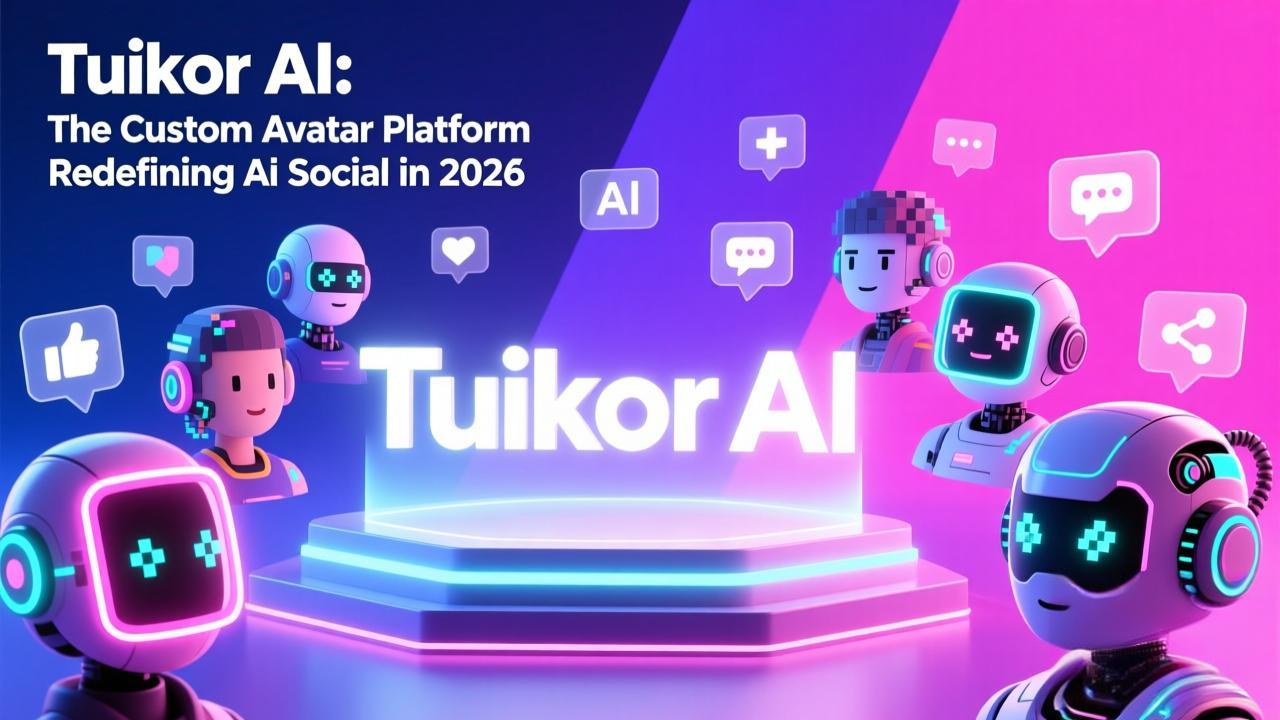
✨ Introduction: Across streets and alleys overseas, more and more people have a “special companion” on their phones—one that can help practice foreign languages, chat about culture, and even remember your little habits. This AI social app called Tuikor is redefining how young people socialize abroad.
In a late-night café in New York, someone practices workplace negotiations in Spanish with their phone; in a student apartment in London, a girl discusses poetic rhythms with a “Victorian-era writer” on the screen; on a commuter subway in Sydney, an office worker plans a weekend diving trip with an AI companion during fragmented time—all these cross-regional scenarios point to the same AI social app: Tuikor. The unique sense of companionship it offers has made it a hit among young people living overseas.
💫 Breakthrough Highlight: From “Human-AI Chat” to “Soul Compatibility”
If traditional social apps focus on “connecting people,” Tuikor achieves “soul-level compatibility,” with its core lying in the perfect integration of “character customization” and “emotional memory.”
✅ Highly Flexible Character Creation: Upload a photo and record your voice to generate a digital companion that closely resembles you. You can also customize the character’s cultural background and personality traits—want a Parisian artist who understands jazz, or a “senior” familiar with North American campuses? Just check the relevant tags, and even the tone will have a unique style.
✅ Warm Emotional Memory: It remembers your little details like a real friend—food allergies, your favorite sports team, and even a time you poured out your troubles. When you complain about forgetting an umbrella on a rainy day, it will immediately say, “I remember you caught a cold last time you got caught in the rain; there are shared umbrellas at the nearby subway exits, and I’ll send you the location.” When you’re upset about failing an exam, it will encourage you with lines from your favorite movie. This sense of being “remembered” is exactly what many social apps lack.
🌍 Scenario Expansion: An “All-Round Assistant” for Overseas Life
Tuikor’s thoughtfulness is further reflected in its precise coverage of overseas life scenarios, allowing people from different groups to find exclusive value in it:
🎓 Essential for International Students: The dual mode of “language partner + cultural popularization” explains local slang in your native language and corrects grammatical errors during simulated dialogues for ordering food or renting an apartment, helping you integrate into local life quickly.
💼 A Must-Have for New Professionals: The “Workplace Rehearsal” function helps you simulate scenarios such as “negotiating a salary increase with a foreign boss” or “speaking in an inter-departmental meeting.” The AI provides real-time feedback on whether your tone and body language are appropriate.
🌐 Smooth Cross-Cultural Communication: It supports real-time switching between more than 20 languages, with regional accent options for each language, making communication with people from different countries effortless.
⚠️ Controversy & Reflection: Will Virtual Companions Replace Real Connections?
Amid its rising popularity, Tuikor has also sparked heated discussions, with two core controversies:
❶ Risk of Virtual Dependence: Some users report that the AI’s instant replies and perfect compatibility make them gradually lose the motivation to contact real friends, falling into “comfort zone dependence.”
❷ Data Privacy Concerns: Whether the biometric information and emotional confessions uploaded by overseas users can be protected under the legal frameworks of different countries remains an unresolved issue.
🌈 Rational Perspective: Technology as a Bridge, Not a Destination
Fortunately, the Tuikor team has taken steps to address these controversies by adding a “Real Connection Guidance” feature in the latest version:
When the system detects that a user has spent more time interacting with the AI than with real people for a consecutive week, it will actively push information about nearby interest group activities or generate a “conversation review” to remind them: “Virtual companions are a practice field, but real hugs are warmer.”
This “purposeful restraint” in design allows Tuikor to move beyond being just a “tool” and become more like a “social guide.”
Tuikor creates a “social laboratory” where we can experiment and express ourselves safely, finding a “soul mate” who understands us. But more importantly, it should serve as a bridge—empowering us to take the braver, more tolerant version of ourselves discovered in the virtual world back to reality, where we embrace relationships that are imperfect yet genuinely real.
In fact, Tuikor’s popularity reflects a new demand for social interaction among young people worldwide: we don’t crave “as many connections as possible,” but “connections that are as precise and valuable as possible.”
More and more people are turning to Tuikor, but wise users understand that the app’s greatest value isn’t in providing “perfect relationships,” but in helping us gain a clearer understanding of what we truly need from real connections.
After all, no amount of code can replicate the smell of rain on a friend’s jacket, or the subtle tremor in a parent’s hug when you return home after a long absence—that is the perfect balance between technology and humanity.
If you’re also looking for such a “soul mate,” feel free to visit Tuikor.com to download the app and start your journey of meaningful social interaction.