admin
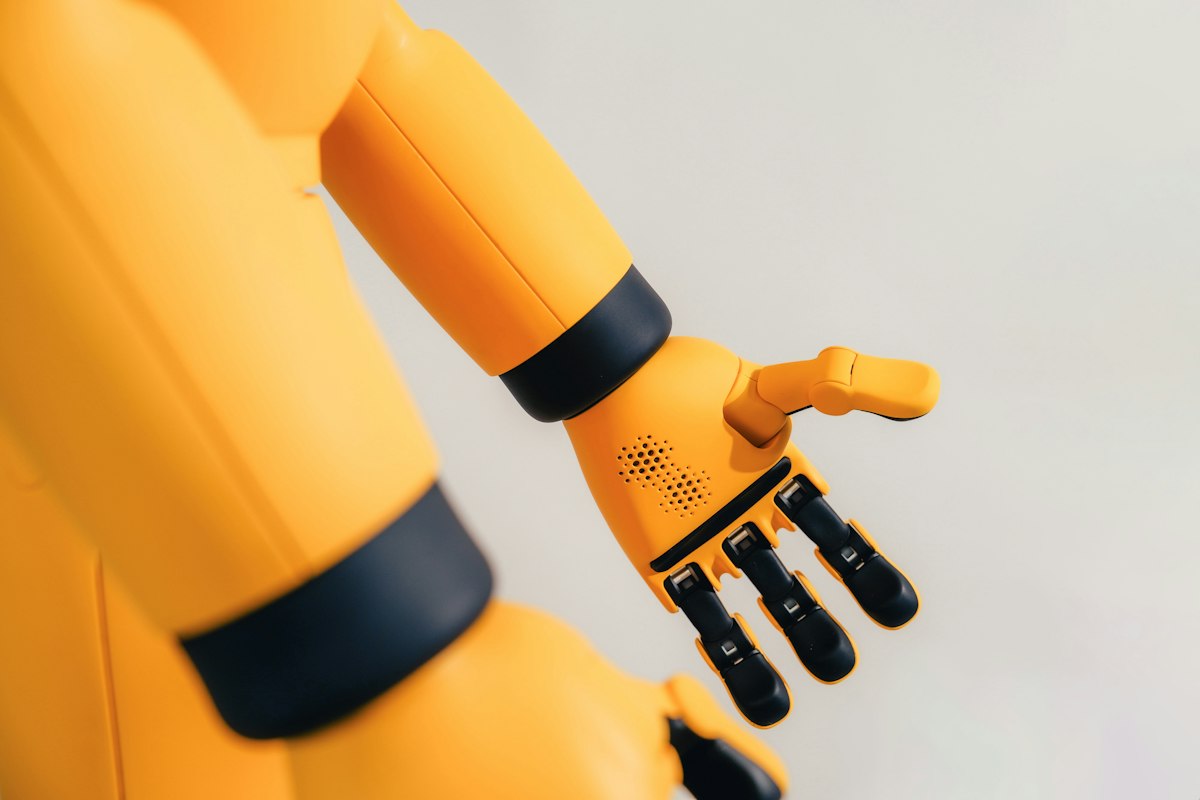
Digital human and AI avatar are often used for the same products, but they describe different layers of an experience. An avatar is primarily a representation. A digital human usually implies a persistent identity with behavior, conversation and potentially memory.
An avatar represents appearance
An AI avatar can be a face, body or animated character used in video, games or interfaces. It may not have an independent conversational identity at all. A digital human adds behavior.
Digital humans combine representation with interaction. They may speak, remember context, express personality and generate media while preserving a recognizable identity.
Memory changes the experience
When a system remembers preferences across sessions, the user is no longer interacting only with a visual asset. Persistence becomes part of the product. Our overview of persistent digital identities explains this evolution. Multimodal consistency is the hard part.
A digital human may appear in text, voice, images and video. The challenge is making those outputs feel like the same identity. Visual realism alone cannot solve inconsistent personality or memory.
Use cases overlap
Marketing videos may only need an avatar. Fan engagement, companionship or persistent virtual characters may need a fuller digital-human system. The right architecture depends on whether the experience is a piece of content or an ongoing identity. Choose the term based on product behavior.
If the main value is visual representation, avatar is often sufficient. If the product depends on persistent personality, memory and recurring interaction, digital human is the more useful concept. The distinction helps buyers evaluate the system behind the face rather than judging only appearance.
Test identity under controlled variation
Use the same reference face across several scenes, outfits and camera distances. The goal is not to keep every image identical; it is to preserve facial geometry, age appearance, skin tone and other signature features while allowing the requested variation. Compare outputs side by side instead of judging each image alone. Drift becomes much easier to notice when several generations are visible together.
Separate identity errors from scene errors. A strange hand, background artifact or lighting mismatch is different from the character becoming a different person. Track these failure classes separately so regeneration and model improvements target the right problem.
For creator avatars, identity consistency should receive higher priority than decorative novelty because users already know what the person is supposed to look like.
Build a small reference set instead of relying on one photo
Where the product allows it, use several authorized references that cover neutral expression, profile angle and normal lighting. A broader reference set can help the system distinguish stable identity from accidental details in one image. The user should still know which photos are active and be able to remove them later.
Check the result after multiple generations. Some pipelines look stable for the first two images and drift after repeated outfit or scene changes. Generate a sequence and compare face shape, hairline, proportions and recurring accessories to detect cumulative identity loss.
Use regeneration strategically
If one output has a hand or background defect but the face is accurate, a localized repair or constrained regeneration may be better than recreating the entire image and risking identity drift. Products should make it easy to preserve the parts that are already correct.
Review consent together with consistency. Reference images are identity data. Users should understand whether the photos are stored only for their avatar, how long they remain available and what deletion does to future generation.
A final long-term check
Repeat the same test after several days and after changing one setting. AI products accumulate memory, synchronization state and billing or permission history, so problems may appear only after the first-session novelty has passed. The strongest products remain understandable as history grows: users can see what changed, correct the relevant state and continue without rebuilding the entire relationship.