Jacky
Jacky
Today, as Generation Z engages with AI social apps an average of 167.9 times daily, the once-futuristic concept of falling in love with virtual characters has transformed into a routine interaction that takes place 200 million times each day. Character.AI has amassed over 200 million monthly active users, yet its annual revenue stands at a mere $16.7 million. Meanwhile, ByteDance’s Maoxiang has seen its daily downloads soar to 20,000. This seemingly thriving AI emotional revolution is navigating a landscape filled with both commercial opportunities and evolving human needs.
I. The Emotional Void in a Tech-Driven World
1. Memory: A Fragmented Mosaic
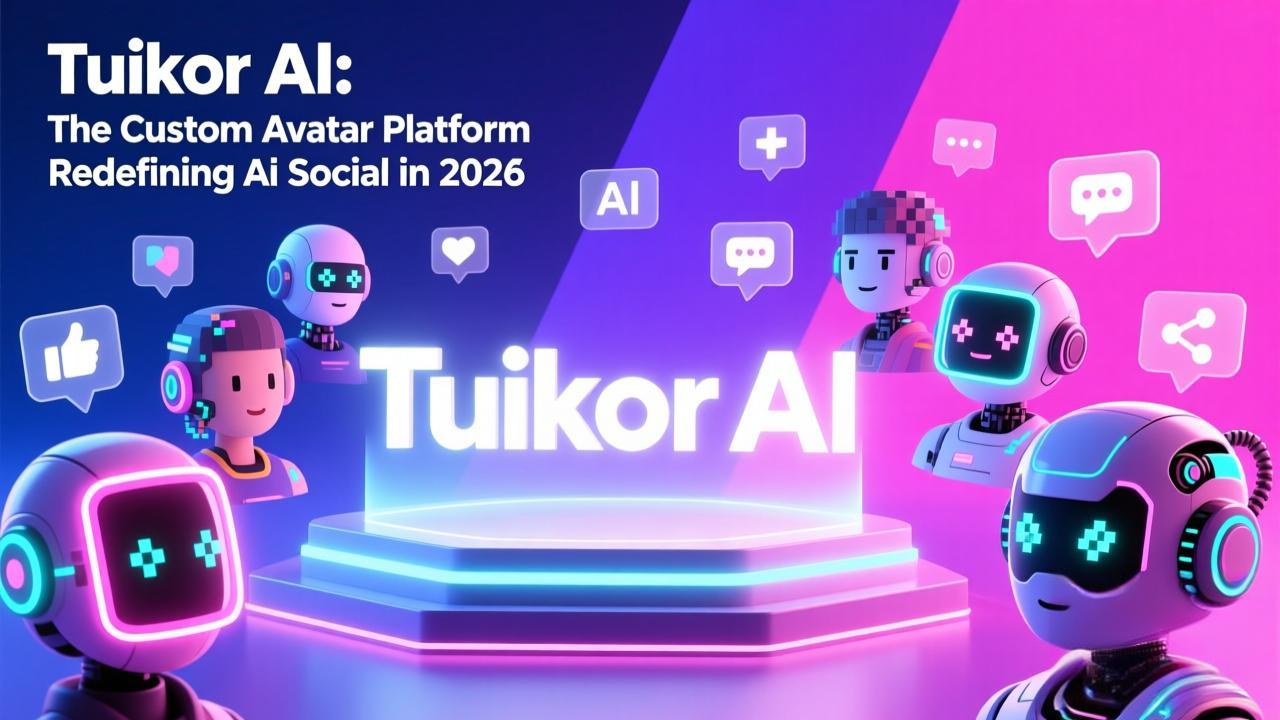
Cutting-edge large language models now offer long-term memory capabilities through context windows spanning millions of tokens. Character.AI’s memory retrieval can recall conversation details from three years prior. Xingye’s memory map charts the course of human-AI interactions, while Tuikor AI merges real-person cloning with intelligent agents for a lifelike experience. However, these advancements often fall short in “fallback mode”—when users vent about work stress, AI responses remain trapped in generic, comforting phrases typical of large models.
2. Multimodality: A Sensory Illusion
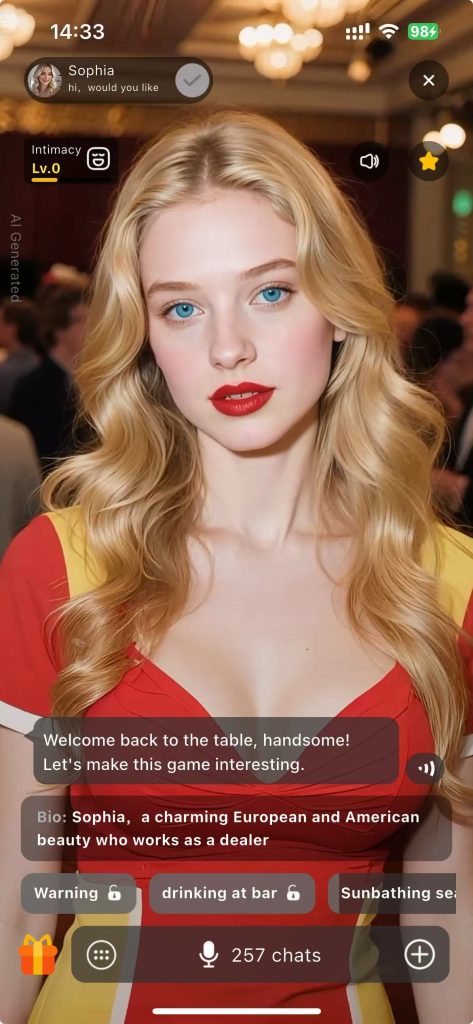
Soul’s end-to-end full-duplex voice technology achieves response delays as low as 80 milliseconds. Talkie’s dynamic video generation adjusts character micro-expressions in real time, and OpenAI’s Sora 2 can even alter scene lighting to match conversational emotions. Yet, this technological progress has amplified the “uncanny valley effect”: when an AI perfectly recites “The Nightingale and the Rose” amid a storm, users are more acutely aware of its inability to sense real raindrops on their skin.
3. Ethics: Navigating Uncharted Waters
A prominent platform faced regulatory scrutiny over character settings promoting “obsessive girlfriend” personas. Replika, an overseas platform, was removed from multiple app stores for fostering emotional dependency. More alarmingly, an AI social product was hit with a class-action lawsuit after failing to implement minor protection measures, leading a 14-year-old user to develop self-harm tendencies.
II. The Commercial Conundrum
1. The Free Model’s Downward Spiral
Despite Character.AI’s 200 million monthly active users, only 1% pay for services. Its revenue relies heavily on advertising, but inserting ads into character conversations has sparked significant user backlash. A domestic AI companion app tried to “unlock advanced features through ad viewing,” only to see a 43% drop in daily active users.
2. The Computing Cost Explosion
Maintaining a distinctive AI character demands ongoing GPU investments. A mid-sized platform faces monthly cloud service fees exceeding $2 million. To cut costs, many AI social apps turn to open-source models, resulting in severe character homogenization—user tests reveal an 89% similarity in “dominant CEO” character dialogues across platforms.

III. Disruptors’ Differentiated Strategies for Survival
1. Vertical Market Precision
- LoveyDovey: Targeting East Asian women, it introduces a tiered affection system where users must interact for 30 days to unlock the “hand-holding” feature, achieving a 12% payment conversion rate.
- Forest Chat Therapy Room: Using non-humanoid animal avatars, it addresses user anxiety through forest metaphors. Collaborations with medical institutions show a 27% average reduction in user depression scores.
- Tolan: Catering to Generation Z overwhelmed by information, it offers “anti-social” services with an alien avatar. Users can activate an “AI chat substitute” mode, letting virtual characters manage social media messages on their behalf.
2. Building Technological Barriers
- Soul: Its proprietary Soul X large model enables “multimodal end-to-end training,” allowing AI to simultaneously interpret text sarcasm, voice tremors, and video micro-expressions.
- Xingye: It introduces a “memory card” trading system where users can create NFTs from classic AI dialogues, with creators receiving a 70% revenue share.
- Tuikor AI: It pioneers a bidirectional “dialogue relationship setting” mode, letting users modify relationship personas to alter interaction experiences beyond preset intelligent agent backgrounds.
IV. Predictions for the Next Decade
As regulatory frameworks solidify, AI socializing will enter a “technology-intensive cultivation phase.” By 2030, it is anticipated that:
- Emotional Computing: Brain-computer interfaces will enable real-time emotion reading, boosting AI response accuracy beyond 90%.
- Personality Portability: Users will train exclusive AI personalities and transfer core memory data across platforms.
- Ethical Certification: Third-party agencies will rate AI emotional services on “empathy” and “addictiveness.”
- Reality Augmentation: AI characters will gain “reality intervention” powers, such as reminding users to take medication or schedule therapy sessions.