Jacky
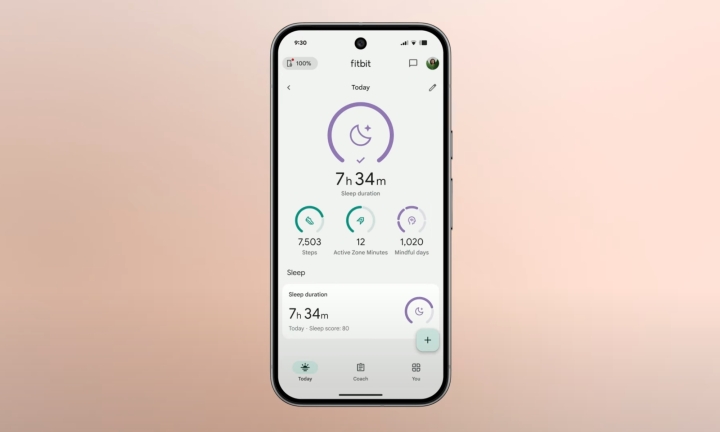
Fitbit Premium users are getting a game-changing, AI-powered fitness coach that transforms the app into a conversational fitness companion.
- Fitbit is rolling out a new AI-driven personal coach app for Premium subscribers in the United States (via blog post).
- Although still under development, the upgrade brings Gemini AI integration directly into the Fitbit app, enabling conversational health coaching.
- It lets users interact with an assistant that’s aware of their fitness data and provides personalized advice, goal-setting support, and tailored suggestions to improve activity, sleep, and overall wellness.
Alongside the new conversational AI personal coach, Fitbit Premium users also receive a major app redesign. The new Today tab displays key health metrics and instant feedback from the AI-powered coach in one place.
- This update enhances the real-world functionality of Fitbit’s health platform, shifting it from static tracking toward dynamic, personalized guidance.
- For Fitbit and Google, the update marks an ambitious step toward next-generation health apps, leveraging conversational AI to boost engagement, retention, and differentiation amid fierce competition.
Instead of manually interpreting stats, you can now benefit from real-time recommendations and direct answers to your health and wellness questions.
- For example, you can ask Gemini AI to help you set nuanced objectives, such as running without getting out of breath, and the assistant will break down the goal into actionable steps.
- This hands-on guidance helps you turn your fitness data into real progress, saving time and reducing confusion with its interactive interface.
- Since the feature is currently in public preview, Google is actively collecting user feedback. The rollout will eventually expand to iOS users and broader international markets in the near future.
Test the product over more than one session
A first conversation can show personality, but long-term quality appears only after the system has accumulated memory, preferences and notifications. Return later, change a preference and see whether the companion adapts without losing its core identity.
Longitudinal testing also exposes repetition and stale context that a short demo cannot reveal.
Use controls as part of the quality test
Try the memory, notification, privacy and reset controls before you need them. A strong companion should make important settings understandable without forcing the user to delete the entire relationship to repair one problem.
The best experience becomes more relevant over time while remaining easy to correct.
Look for continuity without constant callbacks
A companion should use remembered context when it helps, not repeatedly announce that it remembers. Good continuity reduces the need for the user to restate important information and makes recurring activities easier to resume.
If every response references old history, personalization can feel forced rather than natural.
Check how the system handles a mistake
Correct a fact, reject a suggestion or change topic abruptly. The companion should repair the interaction and update the relevant state instead of arguing or repeating the same assumption later.
Evaluate whether the relationship remains user-led
Notifications, progression and premium features should support the user’s chosen interaction rather than manufacture urgency. Quiet hours, frequency controls and easy cancellation are practical signs that the product respects the user’s pace.
Compare richer media with the core conversation
Voice, images and video are valuable when they reinforce the same identity. If media quality is inconsistent or arrives too slowly, a simpler response may produce a better overall experience.
A final long-term check
Repeat the same test after several days and after changing one setting. AI products accumulate memory, synchronization state and billing or permission history, so problems may appear only after the first-session novelty has passed.
The strongest products remain understandable as history grows: users can see what changed, correct the relevant state and continue without rebuilding the entire relationship.


 admin