Jacky
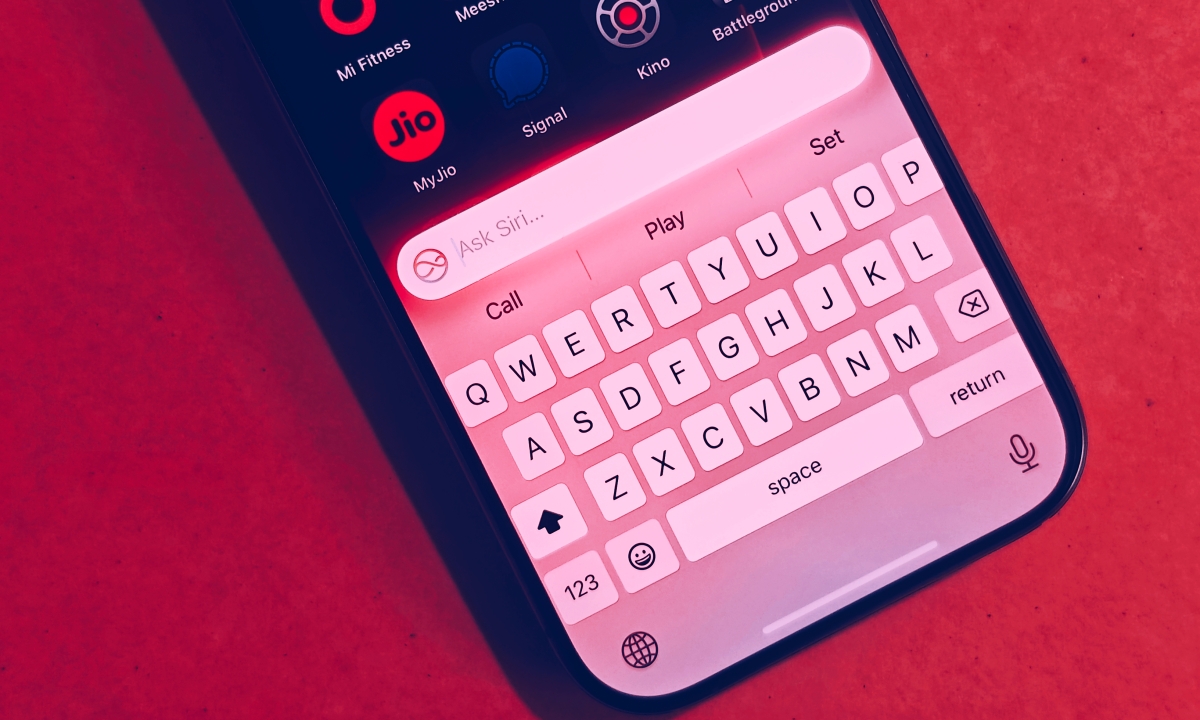
Apple’s journey into the AI world has been a bumpy one. The company faced criticism for its failure to deliver on an improved version of Siri after numerous setbacks and delays, but a report late Wednesday afternoon from Bloomberg’s Mark Gurman suggests Apple is preparing to make a comeback.
- Tim Cook, Apple’s CEO, said “The product pipeline — which I can’t talk about — it’s amazing, guys. It’s amazing.”
- The long-rumored smark speaker with a display is set to arrive next year.
- One of the rumored devices is a tabletop robot that can turn and swivel to face whoever is speaking to it.
If successful, this plan would mark a new level of innovation in Apple’s products and help restore customer trust after the issues that have plagued the company throughout the past year.
- According to insiders, this hardware pipeline is a key element of turning around Apple’s AI presence.
- Take the information with a grain of salt; as these products still haven’t been officially announced, the expected design and function could change or be scrapped before release.
The new products could improve Apple’s HomeKit lineup. A souped-up Siri would strengthen functionality across all of Apple’s devices, while the tabletop robot opens the door to group FaceTime calls and much more.
- According to Gurman, “the hallmark of the device is an entirely new version of the Siri voice assistant that can inject itself into conversations between multiple people.”
- The device will “act like a person in the room” and provide contextual information, such as suggesting restaurants in a conversation about where to go for dinner. The hope is that Siri will act similarly to OpenAI’s voice mode for back-and-forth conversation.
- Siri might be getting a new personality through a project dubbed “Bubbles” that would give the assistant a visual representation on display, similar to the notorious Clippy of Microsoft Office fame.
- Apple HomeKit has never matched the power of Amazon Alexa or Google Home, but this upgrade has the potential to make it a much stronger contender.
Look for continuity without constant callbacks
A companion should use remembered context when it helps, not repeatedly announce that it remembers. Good continuity reduces the need for the user to restate important information and makes recurring activities easier to resume.
If every response references old history, personalization can feel forced rather than natural.
Check how the system handles a mistake
Correct a fact, reject a suggestion or change topic abruptly. The companion should repair the interaction and update the relevant state instead of arguing or repeating the same assumption later.
Evaluate whether the relationship remains user-led
Notifications, progression and premium features should support the user’s chosen interaction rather than manufacture urgency. Quiet hours, frequency controls and easy cancellation are practical signs that the product respects the user’s pace.
Compare richer media with the core conversation
Voice, images and video are valuable when they reinforce the same identity. If media quality is inconsistent or arrives too slowly, a simpler response may produce a better overall experience.
Test the product over more than one session
A first conversation can show personality, but long-term quality appears only after the system has accumulated memory, preferences and notifications. Return later, change a preference and see whether the companion adapts without losing its core identity.
Longitudinal testing also exposes repetition and stale context that a short demo cannot reveal.
Use controls as part of the quality test
Try the memory, notification, privacy and reset controls before you need them. A strong companion should make important settings understandable without forcing the user to delete the entire relationship to repair one problem.
The best experience becomes more relevant over time while remaining easy to correct.
A final long-term check
Repeat the same test after several days and after changing one setting. AI products accumulate memory, synchronization state and billing or permission history, so problems may appear only after the first-session novelty has passed.
The strongest products remain understandable as history grows: users can see what changed, correct the relevant state and continue without rebuilding the entire relationship.


 admin